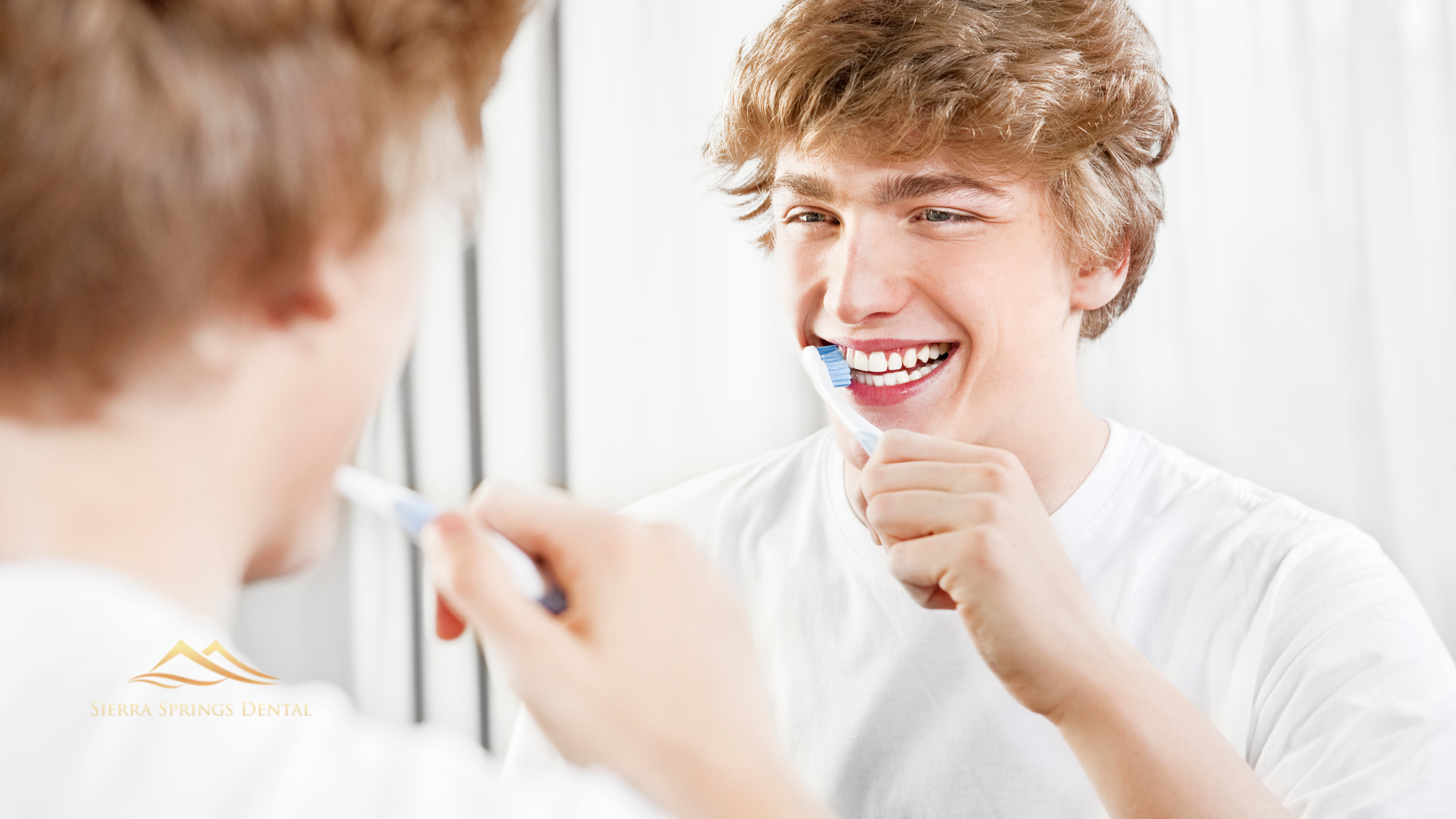
You can set the foundation for a lifetime of healthy teeth and gums by establishing a preventive oral care routine as a teen. With the right strategies, you can effectively combat cavities and gum disease while boosting your confidence with a bright smile.
This guide will walk you through simple yet effective steps to create a daily and weekly oral care regimen tailored to your needs, making dental health both manageable and sustainable.
Key Takeaways
- Encourage teens to brush twice daily with fluoride toothpaste and floss regularly to prevent cavities and gum disease.
- Scheduling regular dental check-ups is crucial to catch any early signs of dental issues and maintain oral health.
- Educate teens on the importance of limiting sugary snacks and beverages to protect their teeth from decay and maintain a healthy smile.
The Foundation of Oral Health: Essential Practices for Teens
The core of a solid oral care routine lies in daily practices that effectively combat decay and promote gum health. For teenagers, establishing habits such as brushing and flossing regularly can significantly contribute to better oral hygiene, preventing issues like cavities and gum disease later in life.
By learning the basic methods of care and making them a part of your daily routine, you can maintain a healthy smile and minimize trips to the dentist.
“When teens adopt consistent oral care routines early, they’re not just protecting their teeth today—they’re laying the foundation for a lifetime of healthier smiles and fewer dental treatments in adulthood.” – Dr. Wayne Young, Dentist in Airdrie, AB
Daily Brushing Techniques: The Right Way to Brush
Brush your teeth twice daily—once in the morning and once at night—for two minutes each, using a soft-bristled toothbrush and fluoride toothpaste (about 30 seconds per quadrant). Use a soft-bristled toothbrush and fluoride toothpaste, positioning the brush at a 45-degree angle to your gums.
Make gentle circular motions, ensuring that you cover all tooth surfaces—the outer, inner, and chewing areas. Don’t forget to brush your tongue too, as it harbors bacteria that can cause bad breath.
Flossing: A Non-Negotiable Habit for Comprehensive Care
Flossing is an important practice that helps remove food particles and plaque from areas that your toothbrush can’t reach. This daily habit should be performed at least once a day.
Proper technique involves using about 18 inches of floss and wrapping it around your middle fingers, gently guiding it between your teeth and curving it around the base of each tooth.
Many people underestimate its importance, yet studies highlight that individuals who floss regularly have significantly reduced rates of cavities and gum disease.
“Flossing isn’t just about removing food particles—it disrupts the plaque responsible for cavities and inflammation, meaning you’re directly combatting the root causes of gum disease every day.” – Dr. Wayne Young, Dentist in Airdrie, AB
By incorporating flossing into your routine, you’re actively investing in your long-term dental health, making it an indispensable element of your regimen.
Getting into the habit now will set you up for a lifetime of healthy smiles.
Nutrition’s Role in a Teen’s Dental Wellness
Your dietary choices significantly impact your oral health. Foods and beverages you consume can either foster a healthy mouth or contribute to problems like cavities and gum disease. Ensuring a balanced diet rich in vitamins and minerals plays a vital role in strengthening your teeth and promoting overall wellness, including oral hygiene.
By understanding which foods nurture your smile, you can make better decisions that benefit your dental health in the long run.
Beverages to Avoid: The Hidden Dangers of Sugar and Acid
Soft drinks, sports drinks, and fruit juices often hide high levels of sugars and acids that can wreak havoc on your teeth. Frequent consumption of these beverages can erode enamel and promote the growth of harmful bacteria in your mouth.
It’s imperative to limit these drinks and focus on healthier alternatives that support your dental wellness.
Beyond the obvious sugar counts, many popular beverages contain citric and phosphoric acids, which can contribute to enamel erosion. For instance, soda can have a pH between 2.5 and 3.5, creating an acidic environment that accelerates enamel erosion.
“Choosing water over acidic drinks isn’t just about hydration—water helps neutralize pH levels in your mouth, reducing enamel erosion and the risk of cavities caused by sugary and acidic beverages.” – Dr. Wayne Young, Dentist in Airdrie, AB
Research shows that enamel begins to weaken at a pH of 5.5, meaning those sugary drinks can rapidly increase your risk of cavities. Whenever possible, opt for water or milk, both of which keep your mouth hydrated and help neutralize acids.
The Importance of Regular Dental Visits
Scheduling regular dental visits is a cornerstone of effective oral care for teens. These appointments keep your teeth and gums healthy and help in detecting potential issues before they become serious problems.
Regular visits to the dentist can lead to early interventions that prevent complex treatments down the line, ensuring your smile stays bright and healthy throughout your adolescent years. The Canadian Dental Association recommends biannual dental exams and cleanings to maintain oral health and detect early issues.
Understanding the Role of Professional Cleanings
Professional cleanings offer benefits beyond daily brushing and flossing. Your dentist or hygienist removes tartar and plaque buildup that can harbor bacteria, leading to cavities and gum disease.
During these cleanings, they also polish your teeth, making it more difficult for plaque to adhere in the future. This proactive approach is crucial for maintaining optimal oral health.
Tracking Changes: The Value of Regular Check-Ups
Regular dental check-ups are essential for monitoring changes in your oral health over time. These visits enable your dentist to track tooth development, identify emerging concerns, and offer personalized advice based on your unique dental history.
If issues arise—such as the eruption of wisdom teeth or signs of orthodontic misalignment—your dentist can recommend timely interventions to prevent complications. During each check-up, they assess not only your teeth but also the condition of your gums and surrounding tissues.
By comparing x-rays and clinical notes from previous appointments, your dentist can detect early signs of bone loss, unusual tooth movements, or other subtle changes. This long-term tracking builds a detailed picture of your oral health, supporting proactive treatment decisions and lifestyle adjustments. It’s a cornerstone of effective preventive care.
Recognizing and Managing Common Oral Health Issues
Being aware of common oral health issues is crucial for maintaining a bright smile and healthy gums. Teens face unique challenges, such as the increased risk of cavities due to sugar consumption and the physical changes that can impact gum health.
Regular check-ups can help catch problems early, preventing more serious conditions later. Your awareness of these issues can empower you to make informed decisions about your oral care routine.
Early Signs of Cavities and Gum Disease
Detecting early signs of cavities and gum disease can save you from more significant dental issues down the line. Watch for changes in your teeth, such as sensitivity to hot or cold, visible holes, or dark spots on your enamel.
Symptoms of gum disease include swollen or bleeding gums, persistent bad breath, and receding gum lines. Identifying these signs early allows you to address them effectively with your dentist.
Strategies for Prevention and At-Home Care
Effective prevention and at-home care strategies can significantly reduce your risk for cavities and gum disease. Brushing twice a day with fluoride toothpaste, flossing daily, and using an antibacterial mouthwash help combat plaque buildup.
Additionally, incorporating a balanced diet low in sugary foods can protect your enamel and support gum health. Regular dental visits for cleanings and check-ups will help identify potential issues, ensuring your oral care routine remains on track.
To enhance your at-home care, consider investing in tools like an electric toothbrush, which can clean more effectively than manual brushing. Set a timer while brushing to ensure you spend a full two minutes, and don’t forget to change your toothbrush every three months, or sooner if the bristles fray.
Additionally, drinking plenty of water throughout the day can help wash away food particles and reduce acidity in your mouth, further protecting your teeth and gums. Combining these strategies into your daily routine fosters a proactive approach, ensuring you maintain optimal oral health through your teenage years and beyond.
Replace your toothbrush every 3 to 4 months or sooner if bristles fray—CDA guidance for optimal cleaning.
Building Healthy Habits Beyond the Brush
Incorporating healthy habits beyond brushing is crucial for comprehensive oral care. This includes staying mindful of your diet, staying hydrated, and recognizing stressors that may affect your oral health.
Pairing brushing with daily habits like flossing, drinking plenty of water, and limiting sugary snacks can strengthen your overall oral hygiene. Additionally, cultivate mindfulness in your oral care routine to ensure that you are actively maintaining a healthy smile, rather than just following the routine.
The Oral Care Benefits of Mouthwash and Chewing Gum
Mouthwash and sugar-free chewing gum serve as excellent complements to your oral care routine. Mouthwash not only freshens breath but also helps kill bacteria and reduce plaque buildup, significantly decreasing the risk of gum disease.
In addition, chewing sugar-free gum stimulates saliva production, which acts as a natural defense by neutralizing acid and washing away food particles. Incorporating these two can enhance your oral health significantly.
Fluoride rinses generally aren’t necessary before age 6 unless recommended by your dentist after assessing caries risk.
Tech Tools: Apps and Gadgets for Tracking Oral Hygiene
Leveraging technology can streamline your oral care practice and promote accountability. There are numerous apps designed to remind you of your brushing and flossing schedule, track progress, and even provide tutorials on proper techniques.
Some gadgets, like electric toothbrushes with timers, ensure you’re brushing for the recommended two minutes while offering feedback on your technique.
For a more interactive approach, consider apps that gamify oral hygiene, allowing you to earn points for consistency and motivating you to maintain good habits. Tracking your brushing frequency and duration through these tools can lead to both awareness and improvement.
Many of these apps can sync with dental records, offering a more comprehensive view of your oral health. By utilizing these modern-day conveniences, you gain a fun and effective way to ensure that oral hygiene remains a priority in your daily routine.
Studies from the Canadian Dental Association show that electric toothbrushes can remove more plaque than manual ones.
Summing up
Considering all points, building a preventive oral care routine for teens involves a balanced approach that includes regular brushing, flossing, and dental check-ups. You should encourage healthy dietary choices, limit sugary snacks, and promote water consumption to support overall oral health.
Engaging in open conversations about the importance of oral hygiene will empower your teen to take ownership of their dental care. By establishing these habits early, you can help ensure that your teen maintains a bright and healthy smile for years to come.
Take the First Step Toward Lifelong Oral Health
Building strong dental habits in the teen years sets the foundation for a healthy smile in adulthood. At Sierra Springs Dental, we offer compassionate, age-appropriate care to help teens stay on track.
Visit us at 2821 Main St S #103 in Airdrie, AB, or
Book an appointment today to get started with a personalized preventive care plan.
Reviewed by: Dr. Wayne Young
Have Questions? We Are Here to Help.
Our team at Sierra Springs Dental is ready to answer your questions and provide the care you need.