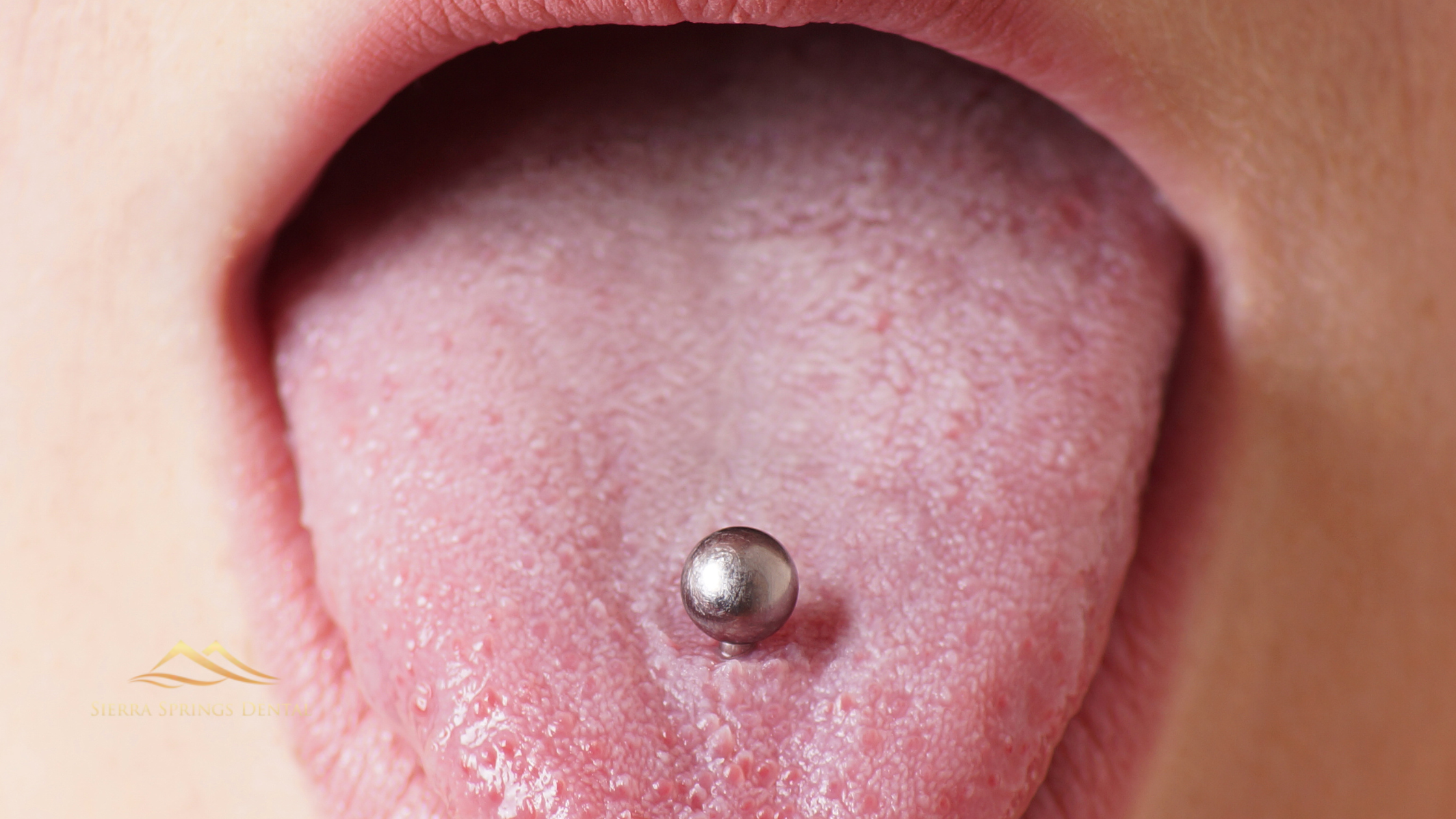
Oral piercings can certainly enhance your style, but it’s crucial to understand how they can impact your long-term dental health. You may experience increased risks of infection, damage to your teeth, and complications with your gums.
However, if cared for properly, some individuals find oral piercings to be manageable without significant issues. In this post, we’ll explore the potential effects of oral piercings on your dental health so you can make an informed decision that best suits your lifestyle.
Key Takeaways:
- Oral piercings can lead to complications such as gum recession, tooth fractures, and increased risk of infections due to constant contact and movement in the oral cavity.
- Proper aftercare and regular dental check-ups are vital for piercings to minimize potential long-term damage to dental health.
- Patients considering oral piercings should consult dental professionals to understand possible effects and make informed decisions about their health.
Types of Oral Piercings
A variety of oral piercings are available, each affecting dental health differently. Common types include:
| Lip Piercings | Located on the outer lip area |
| Tongue Piercings | Placed through the tongue |
| Cheek Piercings | Located inside the cheeks |
| Smiley Piercings | Located on the upper lip frenulum |
| Medusa Piercings | Situated in the center of the upper lip |
After choosing a type of piercing, you should consider how each will impact your dental health.
“While oral piercings are a personal statement, always assess how the location of your piercing interacts with oral structures, such as teeth and gums, to minimize the risk of long-term damage.” Dr. Wayne Young
Lip Piercings
Above all else, lip piercings can lead to issues like gum recession and damage to your teeth due to constant contact. If you’re considering this style, be mindful of hygiene to prevent infections and further dental complications.
Tongue Piercings
An oral piercing in the tongue can create a unique aesthetic but also presents specific dental risks. They are known to cause tooth abrasion and gum damage and can lead to infections if not maintained properly.
The movement of jewelry against your teeth can wear away enamel or cause chips, which may increase sensitivity and the risk of decay, but cavities typically develop from bacterial activity rather than enamel erosion alone. While many enjoy the sensation and look, it’s important to monitor any signs of irritation or dental issues closely.
“If you’ve noticed unusual sensitivity or small chips on your teeth, it may be time to evaluate how your piercing impacts your enamel—or schedule a dental check-up to prevent further harm.” – Dr. Wayne Young
A tongue piercing might seem appealing, but it comes with significant risks, including gum deterioration and potential abscesses. Infections can arise from improper oral hygiene, and the jewelry can cause chipped teeth if you accidentally bite down on it.
Although some perceive aesthetic value in tongue piercings, claims about enhanced sensation are anecdotal and not supported by scientific evidence.
Impact on Dental Health
It is crucial to understand how oral piercings can significantly affect your dental health over time. While they may serve as a form of self-expression, their potential consequences on your teeth, gums, and overall oral hygiene are factors that should not be overlooked.
Tooth Damage
After getting an oral piercing, you may notice an increased risk of tooth damage. Jewelry such as studs or rings can chip or crack your teeth due to constant contact during daily activities like chewing and speaking. It’s vital to be aware that even minor impacts can lead to painful dental procedures down the line.
“Even a minor crack from oral jewelry can deepen over time, potentially requiring extensive restorative work, like crowns or fillings—so prevention is always better than cure.” – Dr. Wayne Young
Gum Recession
Recession of the gums can become a significant concern for those with oral piercings. Over time, the presence of jewelry in your mouth can lead to irritation and inflammation.
This inflammation may eventually cause your gums to pull back from the teeth, exposing the roots and increasing sensitivity. Gum recession not only affects your smile but can also increase the risk of tooth decay and periodontal disease.
It’s important to respect the potential long-term effects of gum recession related to oral piercings. If you experience persistent irritation, sensitivity, or visible changes in your gum line, seeking professional dental advice is highly recommended.
Regular dental check-ups are crucial to monitor the health of your gums and to catch any issues early, ensuring your piercing does not compromise your overall dental well-being.
Risk of Infection
Despite the aesthetic appeal of oral piercings, they come with a significant risk of infection. The mouth is home to a vast amount of bacteria, and any break in the skin can create an opportunity for these organisms to enter your body.
Infections can lead to complications such as localized abscesses or, in rare cases, systemic infections like endocarditis, especially in individuals with pre-existing heart conditions.
Bacterial Contamination
Your piercing can quickly become contaminated due to the oral cavity’s naturally high bacterial load and potential exposure to unsterilized instruments. Even with diligent oral hygiene practices, the risk of bacteria colonizing around the piercing site remains elevated.
Such bacteria can lead to irritation, swelling, and infection, emphasizing the need for stringent cleaning protocols.
Healing Complications
After getting an oral piercing, you may experience various healing complications that can affect your dental health. In addition to infection, healing complications may include prolonged swelling, excessive bleeding, allergic reactions (especially to nickel), and keloid formation in rare cases.
These issues can compromise the healing process, leading to further complications.
To minimize the likelihood of healing complications, you should adhere to proper care guidelines. Ensure you follow your piercer’s instructions closely regarding cleaning and aftercare.
Be cautious of the jewelry material to avoid allergic reactions, and avoid irritating your pierced area with food or drinks that may cause discomfort. It’s crucial to monitor your piercing for any signs of infection, such as inflammation or discharge, and to consult a dental professional if complications arise.
Maintenance and Care
Not maintaining your oral piercings can lead to complications, including infections and damage to your teeth and gums. Regular care is necessary to preserve both the piercing and your dental health.
This means keeping the area clean, avoiding irritants, and scheduling routine check-ups with your dentist. Your commitment to proper maintenance will significantly reduce potential risks associated with oral piercings.
Cleaning Techniques
Keeping your oral piercing clean is essential for avoiding infection and preserving your dental health. Start by rinsing your mouth with a saline solution or an alcohol-free mouthwash after meals to flush out bacteria and food debris.
Your dentist may recommend a short-term antimicrobial rinse, such as chlorhexidine, to help reduce the risk of infection during the healing period. However, long-term use of chlorhexidine should be avoided, as it can cause side effects like tooth staining and altered taste.
Brush gently around the piercing site with a soft-bristled toothbrush, taking care not to disturb the jewelry. Avoid abrasive scrubbing or using harsh mouth rinses that could irritate the tissue.
By maintaining consistent cleaning habits and avoiding irritants, you can reduce the risk of complications and help your piercing heal properly.
Choosing Safe Jewelry
Choosing the right jewelry for your oral piercing is vital for your long-term dental health. Select jewelry made from biocompatible materials such as implant-grade titanium, surgical-grade stainless steel, or solid 14k–18k gold to reduce the risk of allergic reactions and irritation.
Avoid costume jewelry, as it can contain harmful metals that may irritate your mouth. Make sure the jewelry is designed for oral use, ensuring a safe fit that doesn’t put unnecessary pressure on your teeth and gums.
But, even when you choose jewelry meant for oral piercings, you should double-check that it has no sharp edges or rough textures that could cause injury to your soft tissues. Pay attention to the size as well; jewelry that is too large may lead to discomfort and even damage to your gums and teeth.
Investing in high-quality, well-fitted jewelry can not only enhance your aesthetic but also significantly lower the risk of serious dental issues.
Psychological and Social Considerations
Once again, oral piercings can significantly influence your psychological well-being and social interactions. They often serve as a form of self-expression, allowing you to communicate aspects of your identity and individuality, but they can also lead to unintended social stigma or judgment from others.
Understanding these effects can help you make informed decisions about your body modifications.
Personal Identity
Considerations surrounding oral piercings frequently intersect with your sense of personal identity. They can act as a powerful symbol of self-expression, aligning with your unique style, beliefs, or experiences.
While the appearance may boost your confidence, it is necessary to weigh how piercings might shape the way you view yourself and how others perceive you.
Societal Perceptions
Between various cultures and social settings, oral piercings can evoke a wide range of perceptions. You may find that some individuals view these modifications as trendy and artistic, while others might hold negative associations, such as perceiving them as unprofessional or rebellious.
These differing opinions can affect both your social interactions and career opportunities.
It is important to recognize that societal perceptions of oral piercings can greatly influence your experiences. Some people view them positively, associating them with creativity and modernity, which may lead to feelings of acceptance in certain social circles.
However, others may harbor negative judgments, seeing them as unprofessional or anti-establishment. This duality can impact your interactions, self-esteem, and even career choices.
Staying mindful of these perceptions will help you navigate both social situations and personal identity conflicts while managing the potential risks associated with oral piercings.
Professional Recommendations
To ensure the best outcomes for your dental health, it’s recommended that you consult a dental professional before getting an oral piercing. They can provide personalized advice based on your specific dental condition and history, helping you weigh the potential risks and benefits associated with the procedure.
Dentists’ Perspectives
Perspectives from dentists often highlight that while oral piercings can be a form of self-expression, they can also lead to significant complications, such as gum disease and tooth damage. Regular check-ups will help monitor any potential issues that may arise from having an oral piercing.
Guidelines for Safe Piercing Practices
Professional guidelines emphasize the importance of ensuring safe practices during the piercing process. Always choose a licensed piercer who follows proper sterilization techniques and uses high-quality jewelry to minimize the risk of infection and complications.
Indeed, following safe piercing practices is vital for safeguarding your oral health. You should ensure that the piercing studio adheres strictly to sanitation standards to avoid infections that can have serious implications for your dental health.
Additionally, opting for jewelry made of biocompatible materials, such as titanium, is advisable to reduce the risk of an allergic reaction. After getting your piercing, monitoring for signs of infection or irritation can help you address any issues early on and maintain optimal dental health.
To wrap up
Summing up, understanding how oral piercings affect your long-term dental health is crucial for making informed choices. While they can be a form of self-expression, you should be aware of potential risks such as gum recession, increased plaque buildup, and damage to your teeth.
Regular dental check-ups and maintaining proper oral hygiene can help mitigate some negative effects, but it’s important to weigh the pros and cons before proceeding with any oral piercings. Your dental health deserves careful consideration.
In particular, young individuals considering oral piercings should understand that complications may arise more frequently if orthodontic appliances, receding gums, or thin enamel are already present.
If you have an oral piercing or are considering getting one, it’s important to understand the potential risks to your dental health. The team at Sierra Springs Dental is here to help you maintain a healthy smile with personalized guidance and care.
Schedule your consultation today by contacting us here.
Reviewed by: Dr. Wayne Young
Have Questions? We Are Here to Help.
Our team at Sierra Springs Dental is ready to answer your questions and provide the care you need.